Specialty coffee · Cauca, Colombia · Minas Gerais, Brazil

Coffee from the Andes of Cauca and the hills of Minas Gerais.

We supply specialty coffee from two origins to importers, roasters and cafés, and we describe every lot precisely: origin, altitude, variety, process.

Scroll

Animations are reduced according to your system settings.

Coffee begins in a place. Ours begins in two: the steep Andes of Cauca and the old, rounded hills of Minas Gerais.

A small plant links them. Caturra was found in Brazil and found a second home in Colombia.

We bring the coffee of both places to the rest of the world, and we describe it precisely: the origin, the variety, the process.

Two mountains. One bean.

The origins

Two origins, one standard

Cauca and Minas Gerais get the same care and the same quality criteria. Three facts for each, always in the same order.

Cauca

Colombia · Southwest

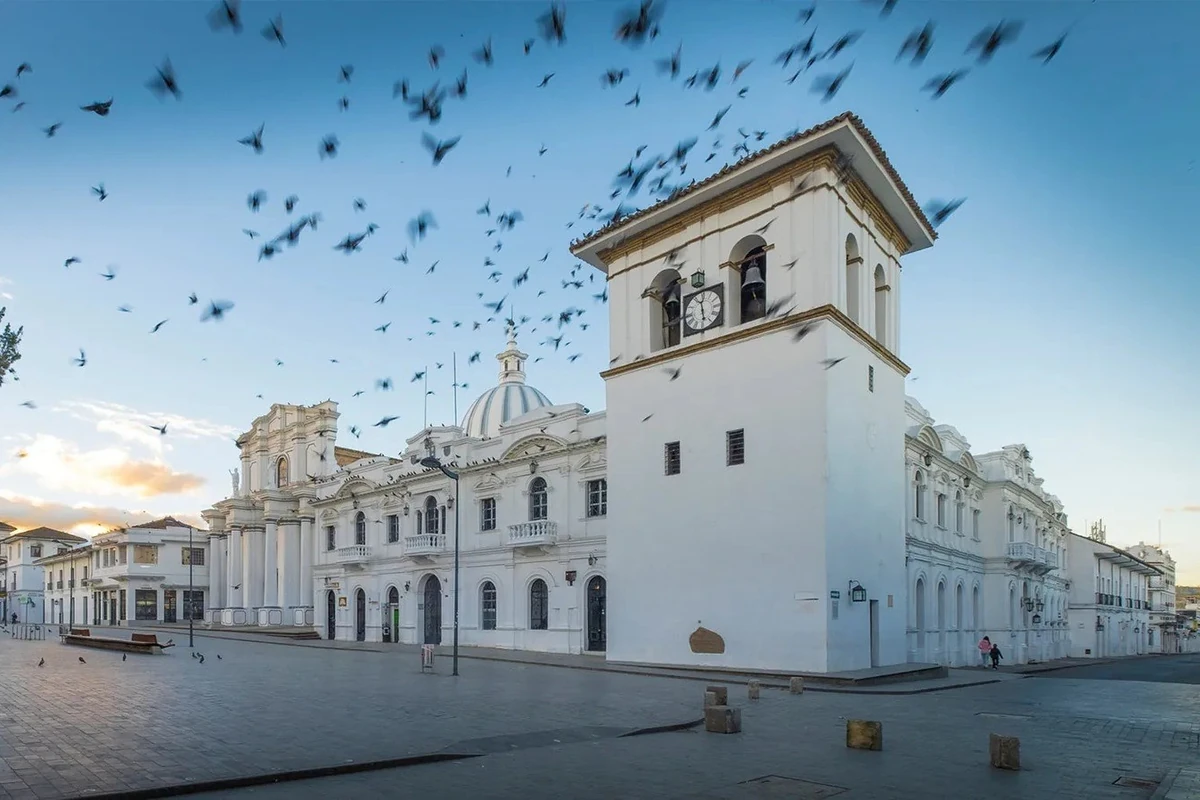
The Torre del Reloj and the cathedral in Popayán, the capital of Cauca, Colombia.
Region
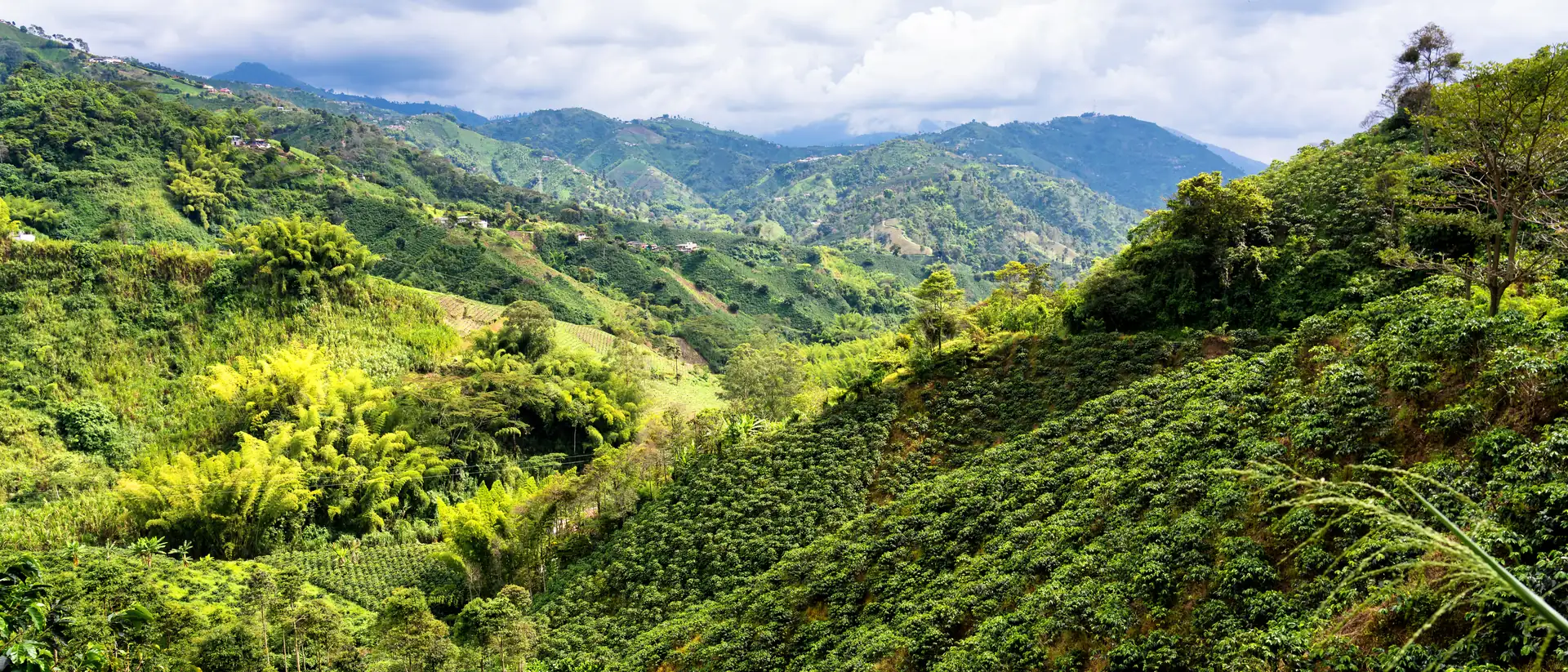
High in the Andes, around the Popayán plateau and the Colombian Massif, where the Cauca and Magdalena rivers are born. Steep slopes with deep folds.
Altitude
Mostly 1,700–2,100 m
Flavor
Intense caramel aroma, high acidity, medium body, sweet and floral notes.

Minas Gerais

Brazil · Southeast

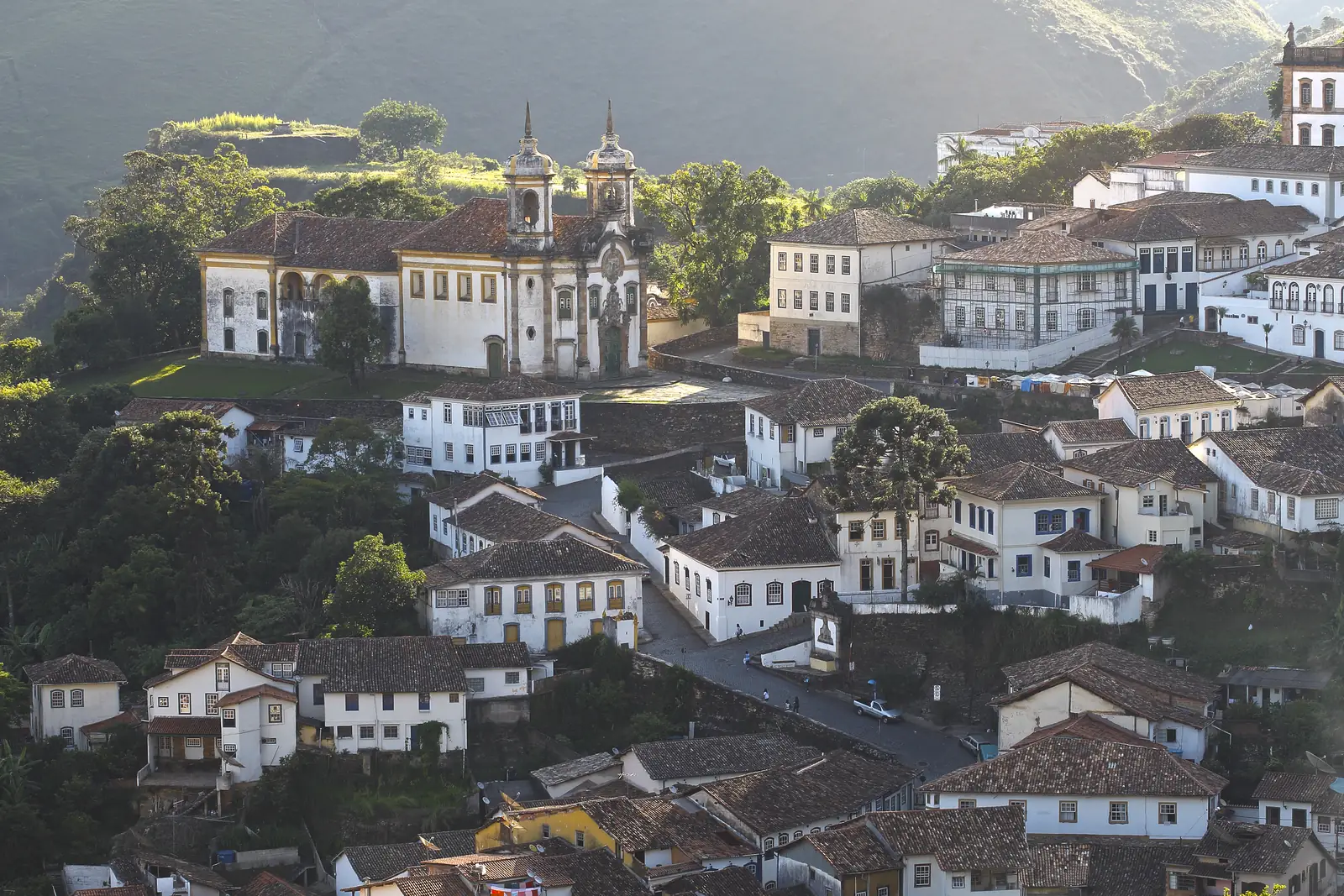
Baroque churches and whitewashed houses on the hills of Ouro Preto, Minas Gerais, Brazil.
Region
Old, weathered mountains with rounded tops that roll into one another: the mar de morros, “sea of hills”. Brazil’s largest coffee state, with roughly half of its coffee.
Altitude
Mostly 800–1,300 m
Flavor
Smooth, balanced acidity, medium to full body. Notes from chocolate and nuts to fruit and flowers, depending on the region.
Culture comes in pairs

Popayán, the capital of Cauca, is a UNESCO Creative City of Gastronomy, and its Holy Week processions are inscribed on UNESCO’s list of Intangible Cultural Heritage. Cauca is also home to several Indigenous peoples — among them the Nasa, Misak, Yanacona and Coconuco.

Chontaduro (peach palm fruit), granadilla, cacao, panela (unrefined cane sugar), aguardiente (anise cane spirit).

Baroque hill towns and whitewashed streets, pão de queijo with a cafezinho (a small, strong cup), cachaça, and the veredas: palm-lined streams of the backlands.

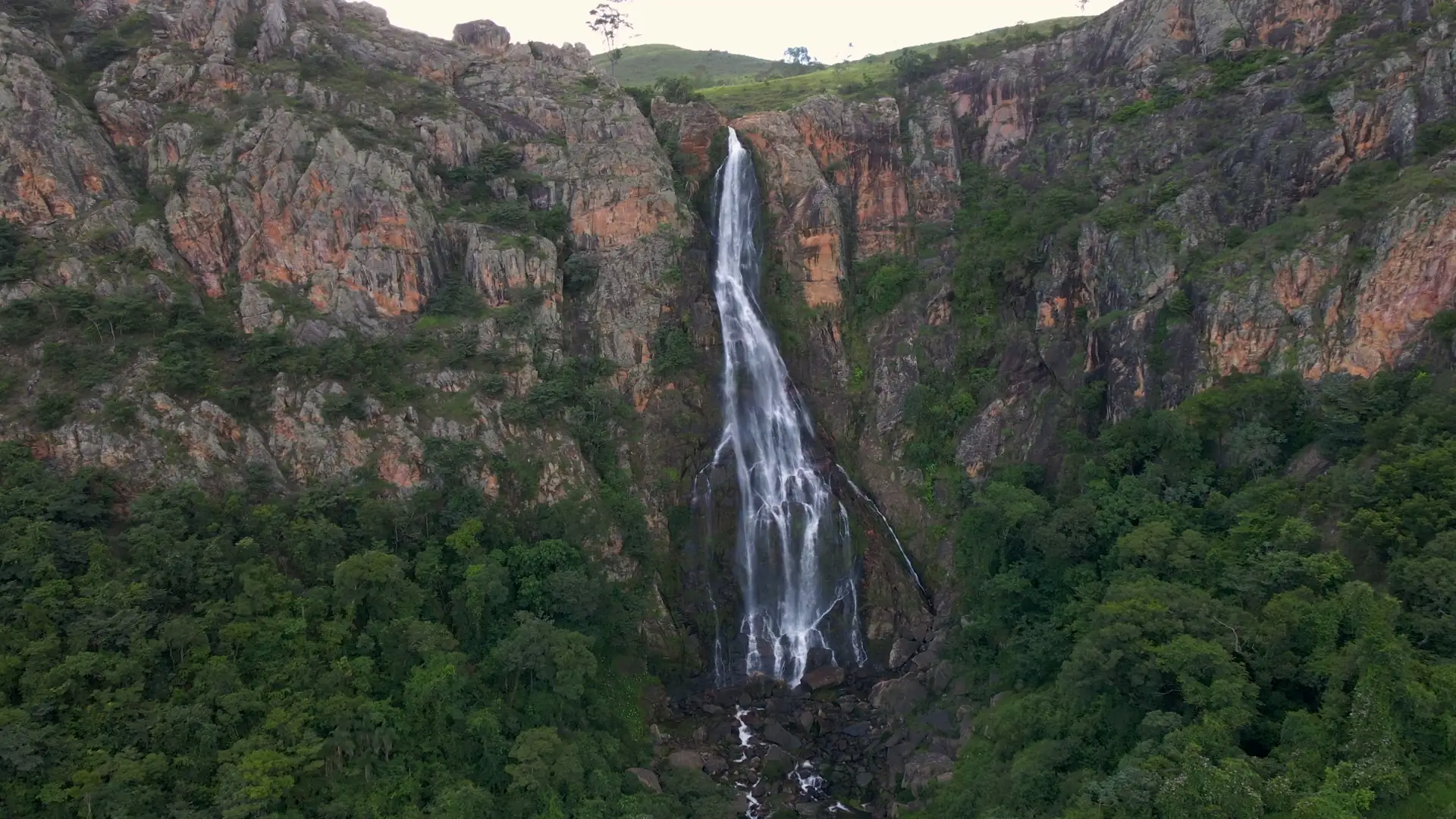
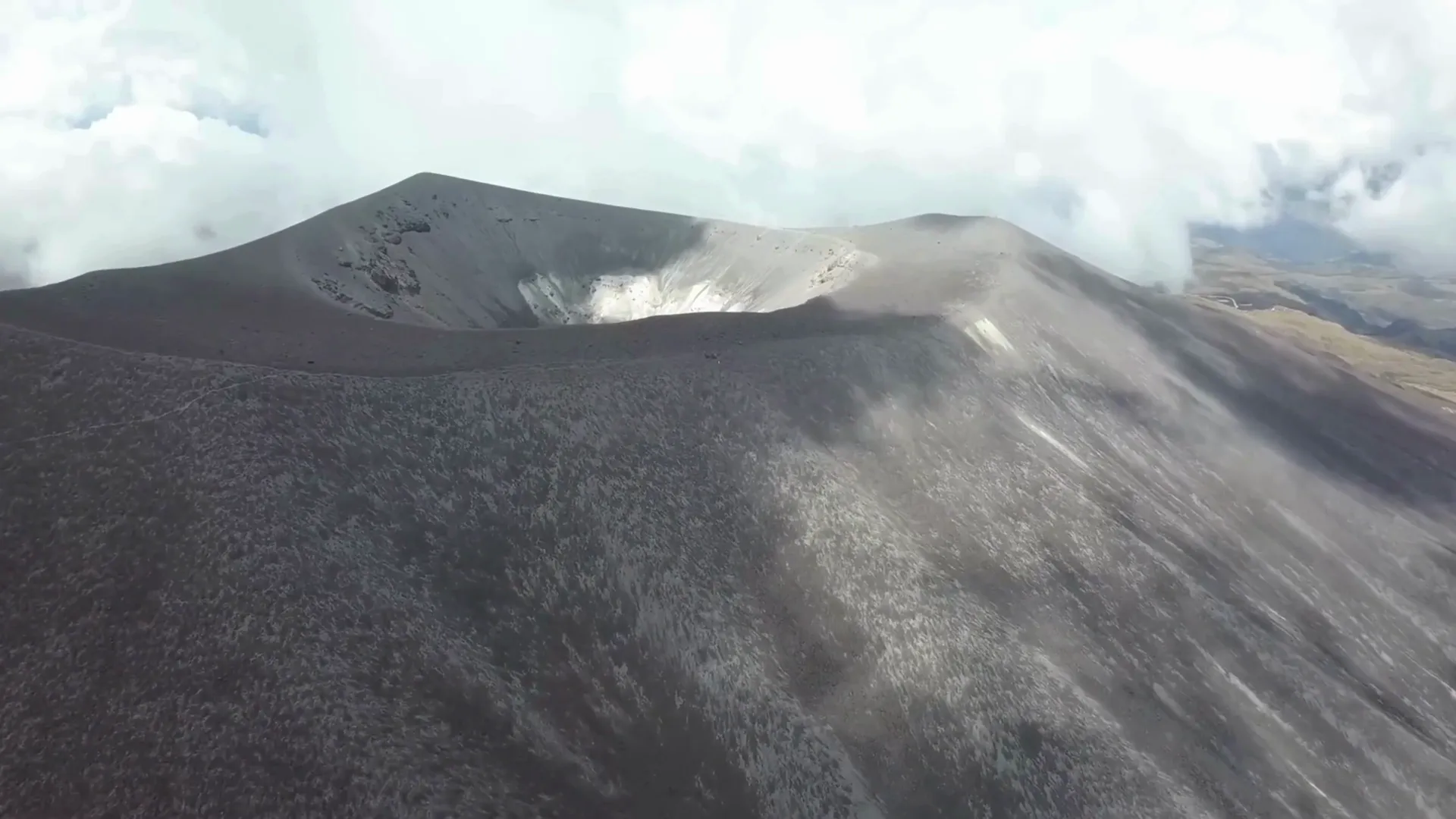
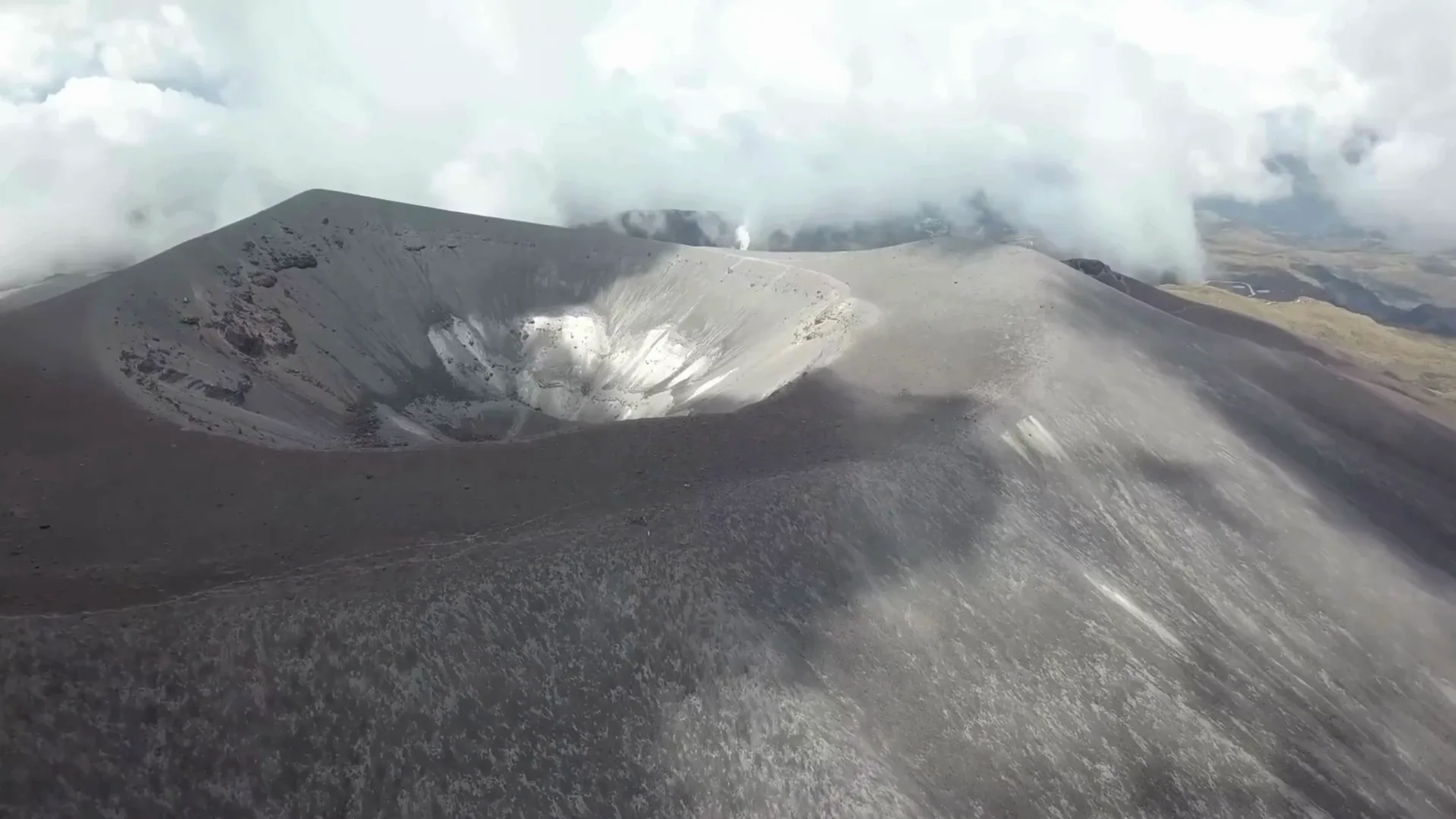
Aerial view of a volcanic crater with rising steam (illustration).
The Puracé

Coffee on volcanic soil

The Puracé is an active volcano in the Coconucos chain of the Colombian Massif, about 4,650 m high. Centuries of ash have built the deep, porous, mineral-rich soils that the coffee of Cauca grows in — including Finca San Joaquín, in El Tambo, where Pomo Rosso comes from. We state it as a fact, not as folklore: it is part of why the cup is so bright.

Our coffees

Every lot, described exactly

Every lot is listed with its origin, altitude, variety and process. We say what we know and mark what we don’t. Prices on request.

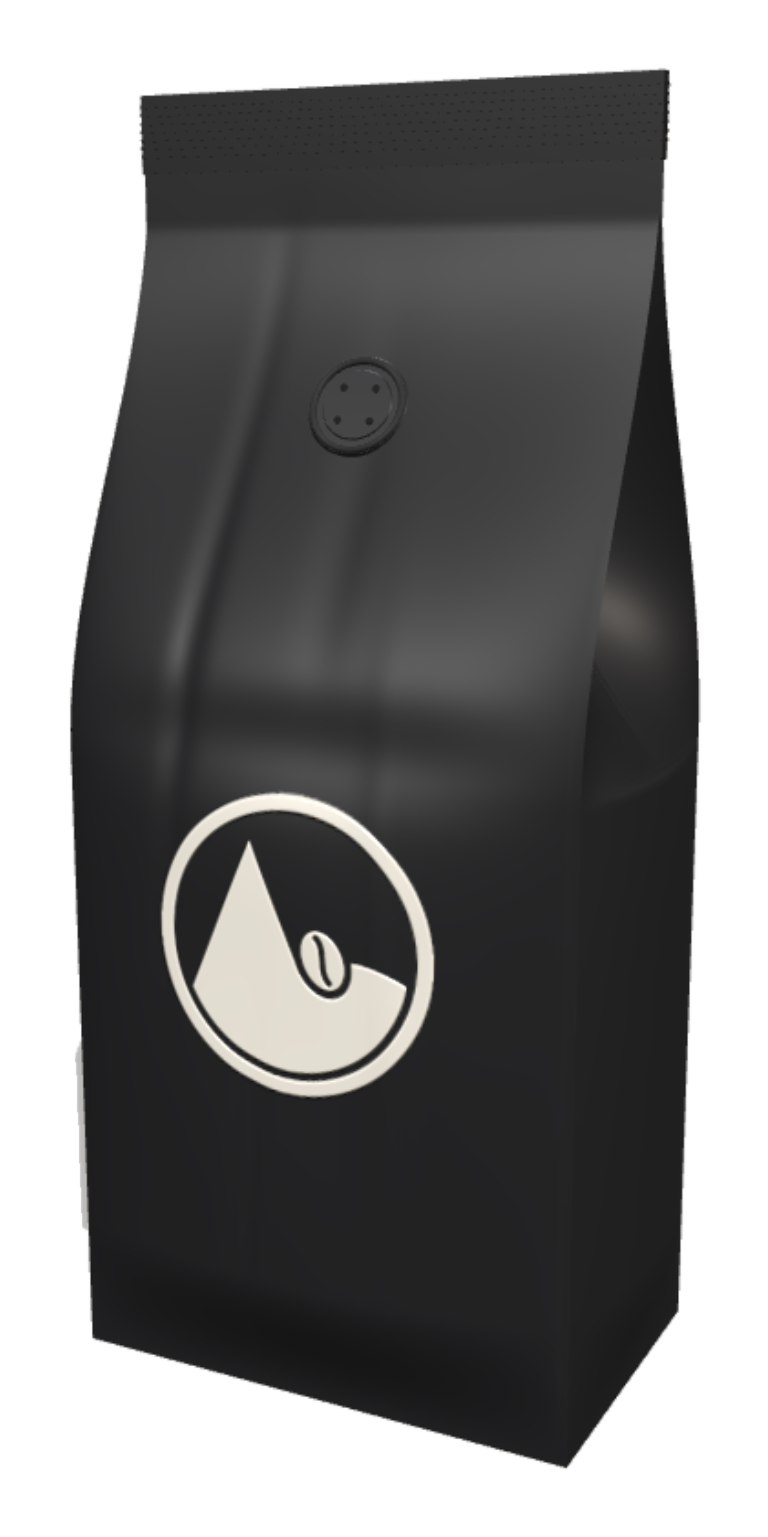
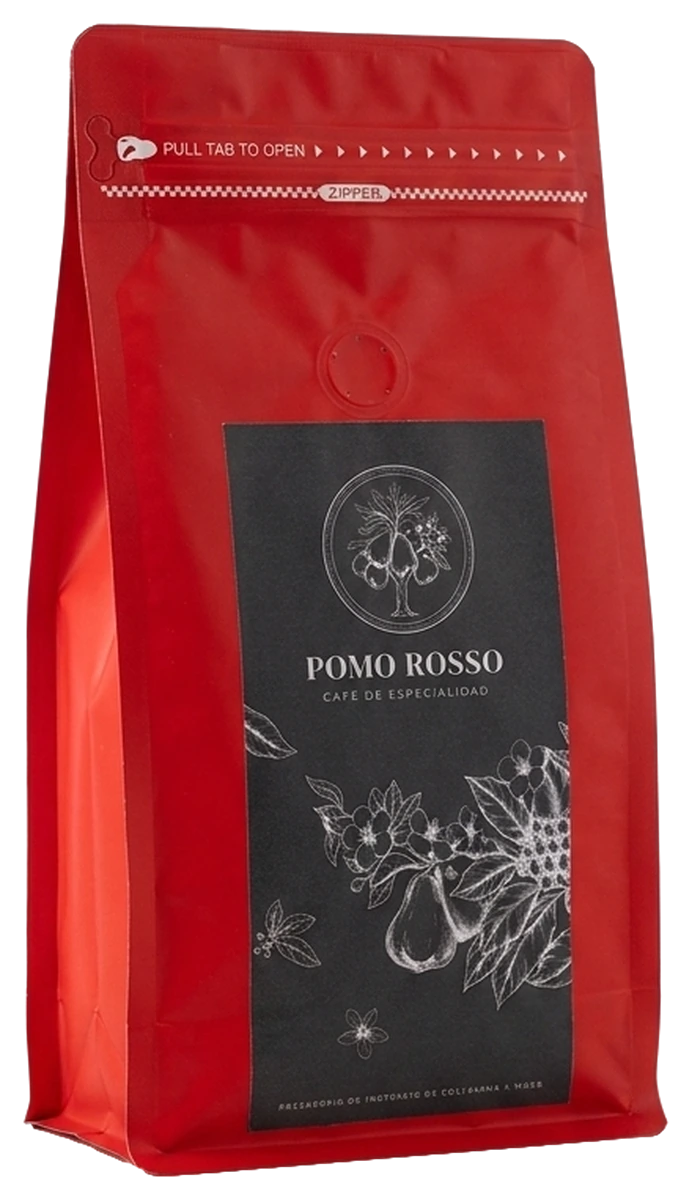
Pomo Rosso bag, specialty coffee from Cauca.
Cauca

Pomo Rosso

Dark chocolate, panela (unrefined cane sugar), sweet citrus

Variety
Castillo
Altitude
1,735 m
Process
Washed, traditional fermentation
SCA score
86 points
Caturra Coffee bag, Minas Gerais lot.
Minas Gerais

Specialty coffee from Minas Gerais

Varies by lot: chocolate, cane molasses, caramel

Variety
Varies by lot
Altitude
Varies by lot
Process
Varies by lot
Harvest
Varies by lot
SCA score
82+ points
History of the Bean

A bean born in Brazil, at home in Colombia

Caturra is a coffee variety, not a place. It was found in Minas Gerais between 1915 and 1918 and became one of the main varieties of Colombia. Our name carries that journey.

  1. 1915–1918 · Minas Gerais, Brazil

    Found as a natural mutation of Bourbon

    Its name is said to come from a Guarani word meaning “small”, because the plant is compact.

  2. The 20th century · Across Latin America

    Spread without an official release

    It was never officially released in Brazil, yet it spread from farm to farm across the region.

  3. Until the late 2000s · Colombia

    Thought to be nearly half of Colombia’s coffee

    One of the country’s main varieties, thought to account for nearly half of Colombian production.

Source for the facts on this page: World Coffee Research

Who we are

Caturra Coffee is led by Marco Rico.

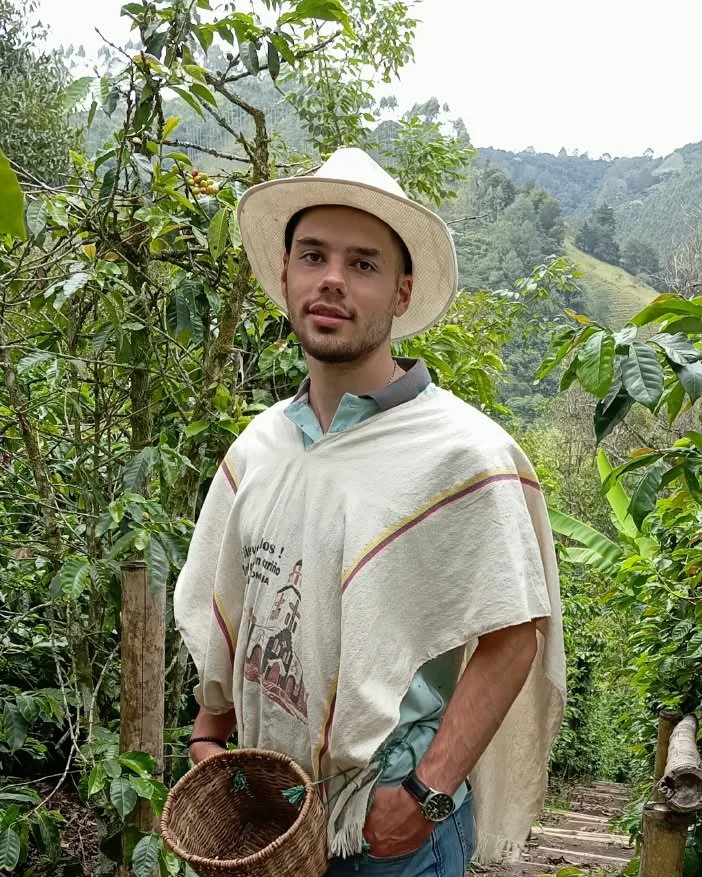
Marco Rico, Founder, CEO and Sales Manager of Caturra Coffee.

Marco Rico

Founder, CEO & Sales Manager

Marco Rico’s journey into specialty coffee began in Cauca, Colombia — not in an office, but through direct experience with the region and its people.

From 2023 to 2024, Marco lived and worked in Popayán, Cauca, where he was involved in educational and community projects. His time there gave him a personal connection to the region and a deeper appreciation for Colombian coffee, its producers, and the stories behind its origin.

That experience became the foundation for Caturra Coffee: a company built around discovering exceptional coffees and bringing them to international markets.

Today, Caturra Coffee goes beyond a single origin. Alongside its Colombian coffees, the company works with coffees from Minas Gerais, Brazil, sourced from various growers and spanning approximately 82–90 points in cup quality. This allows Caturra Coffee to explore different expressions of specialty coffee while maintaining a clear focus on quality, origin, and the people behind each coffee.

As Founder, CEO & Sales Manager, Marco is responsible for shaping the company’s vision, developing its coffee portfolio, and driving its international sales. He builds relationships with importers, roasters, cafés, and other partners while representing Caturra Coffee and connecting producers with markets in Europe.

His role is to build the bridge — between producer and buyer, origin and market, and exceptional coffee and the people who appreciate it.

Where it begins
Marco Rico among coffee plants, wearing a hat and a traditional poncho and holding a harvest basket.
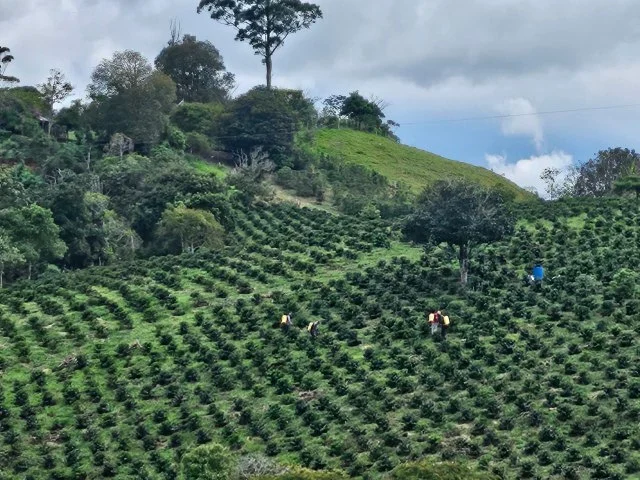
Coffee plantation on the hills of Finca San Joaquín, El Tambo, Cauca, Colombia.
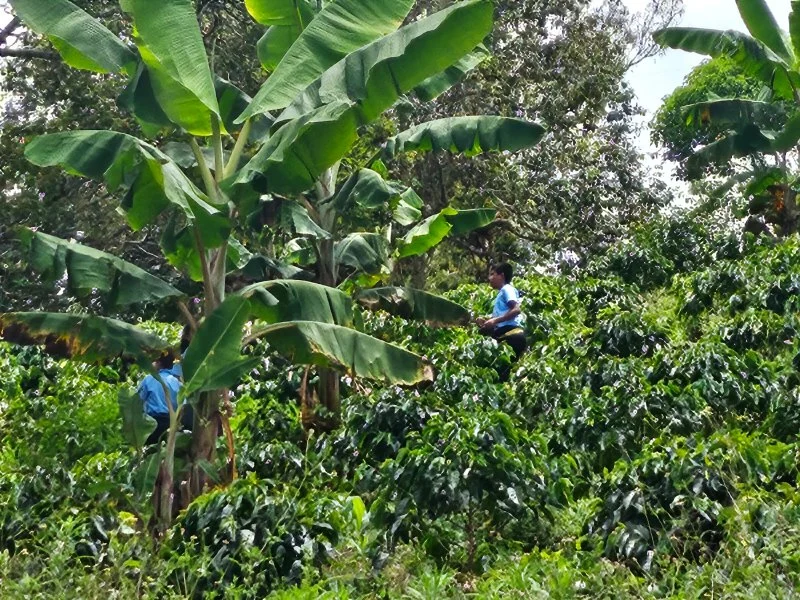
Coffee plants and banana trees at Finca San Joaquín, El Tambo, Cauca, Colombia.

How we work

We connect producers in Cauca and Minas Gerais with importers, roasters and cafés. Every lot comes with exact data; every answer comes quickly.

  1. 1 · Offer

    Tell us your volumes, destination and cup profiles. We reply with the lots available and their data.

  2. 2 · Samples

    Samples and lot sheets for your cupping, with origin, altitude, variety and process.

  3. 3 · Shipment

    We coordinate the shipment and the paperwork with the producers and keep you informed at every step.

What we hold to

  • Precision

    Exact data on every lot. We say what we know and mark what we don’t.

  • One standard

    Cauca and Minas Gerais get the same care and the same quality criteria.

  • Reliability

    We answer quickly, keep our word and ship what we offered.

  • Respect for origin

    We describe places and people accurately, without folklore.

For importers and roasters

Tell us your volumes, destination and preferred cup profiles. We will reply with the lots available.

Wholesale

Request a wholesale offer

For importers, roasters and cafés. Tell us what you need and we will reply with the lots available from Cauca and Minas Gerais.

Direct contact

We reply in
English, Portuguese, Spanish, German

* Required. Everything else is optional.